
Summer Weaves of Madhya Pradesh: The Timeless Grace of Chanderi and Maheshwari Textiles
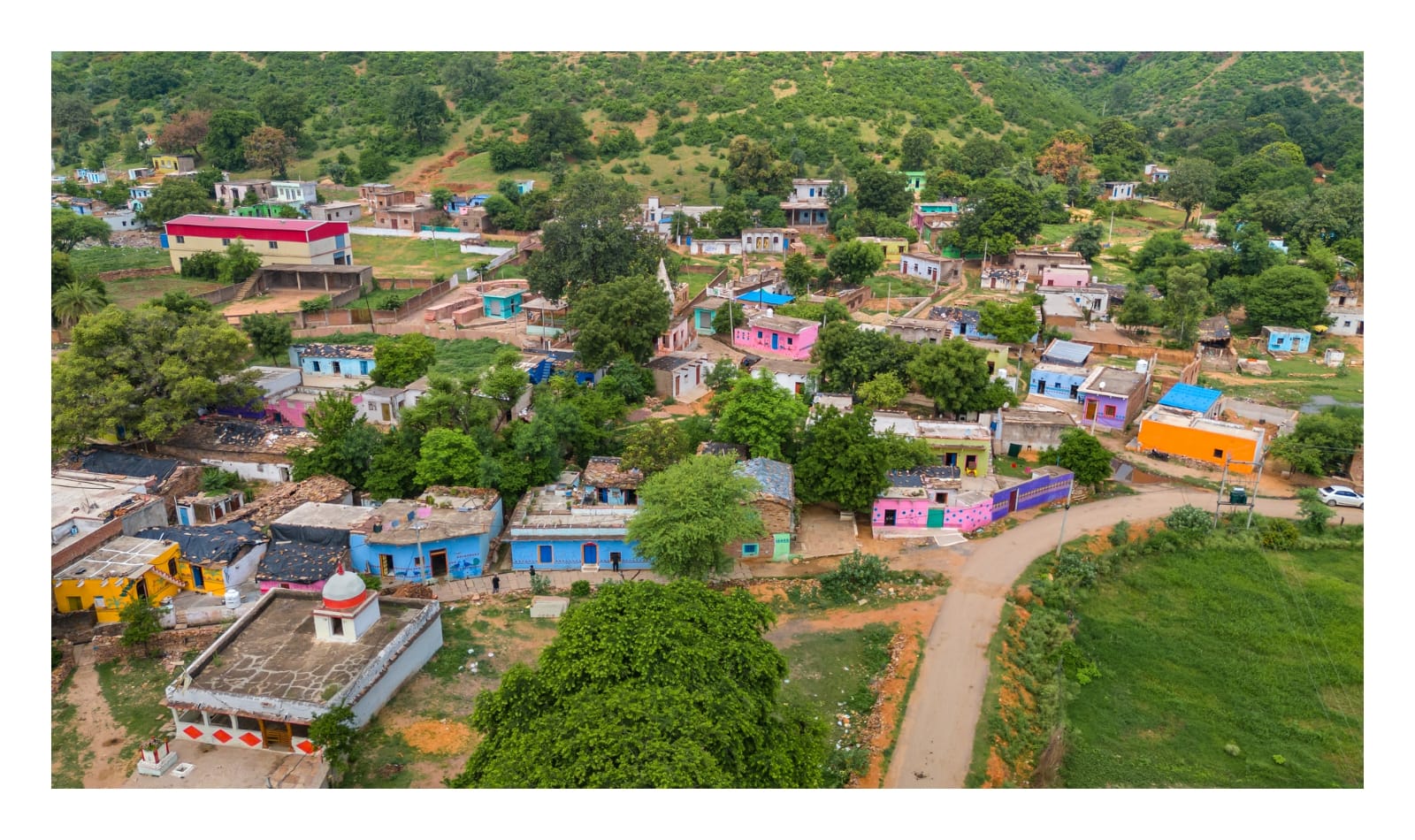
Chanderi - Iconic Saree Weavers Cluster of India
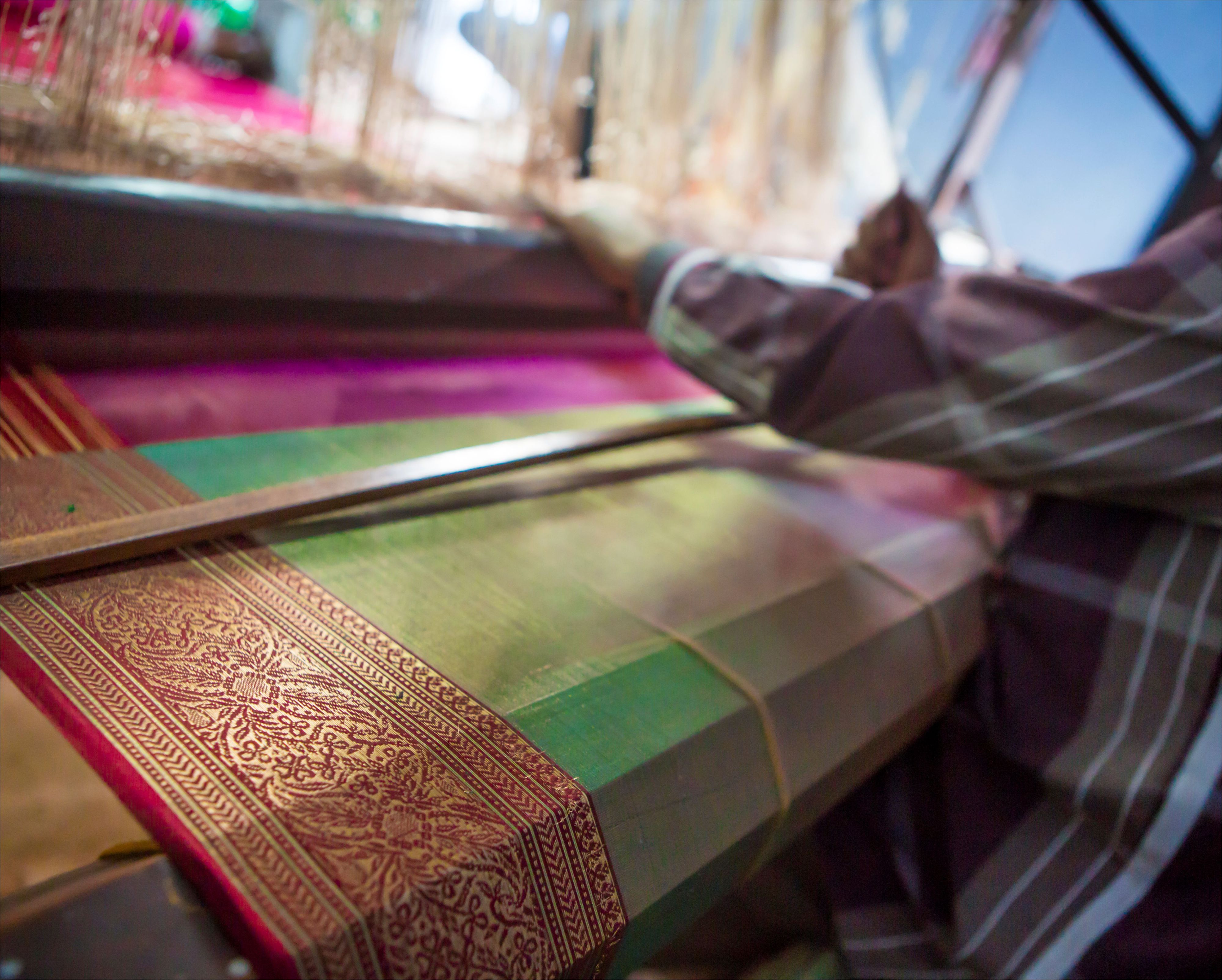
Chanderi Handloom Weaving
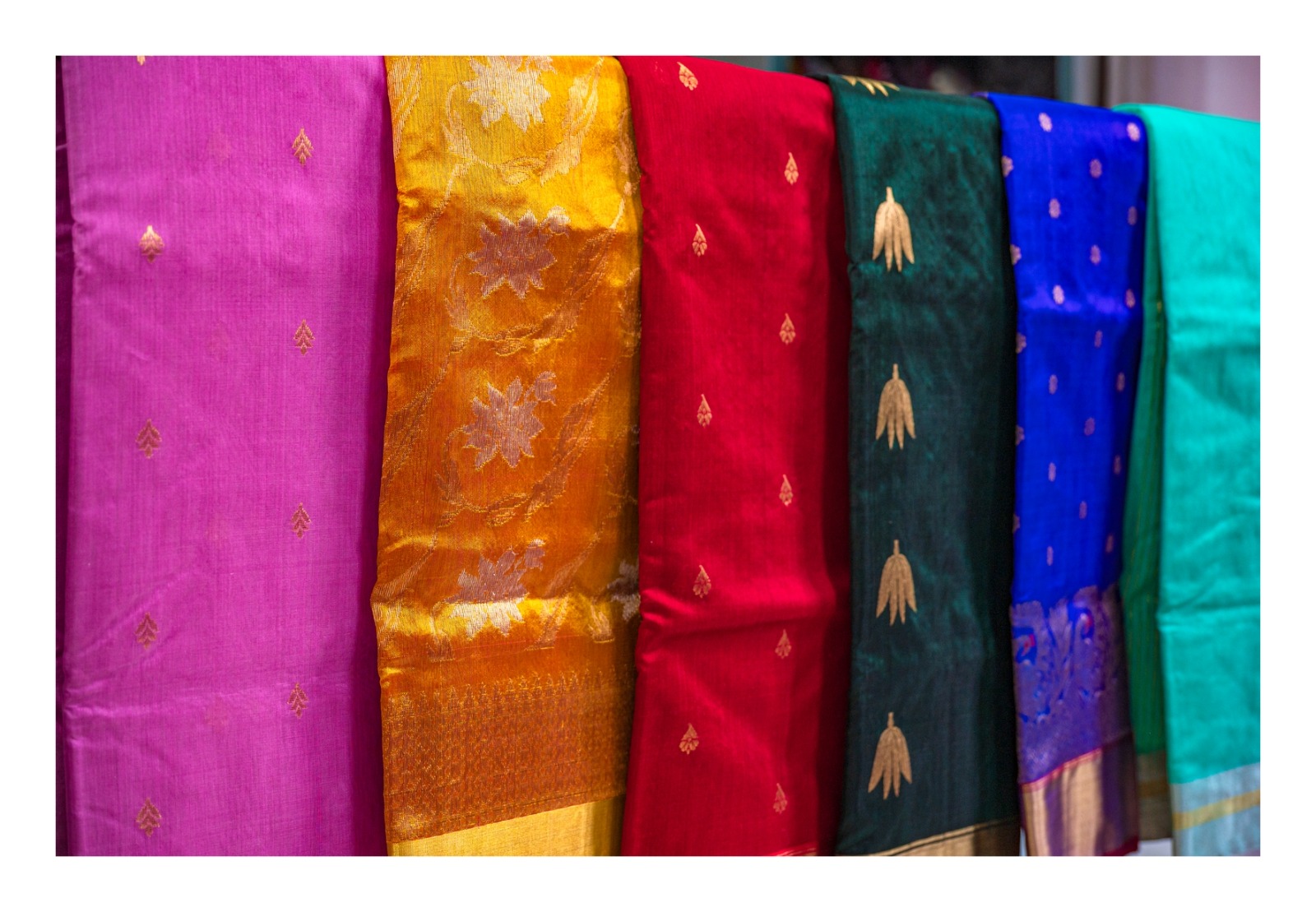
Chanderi Sarees
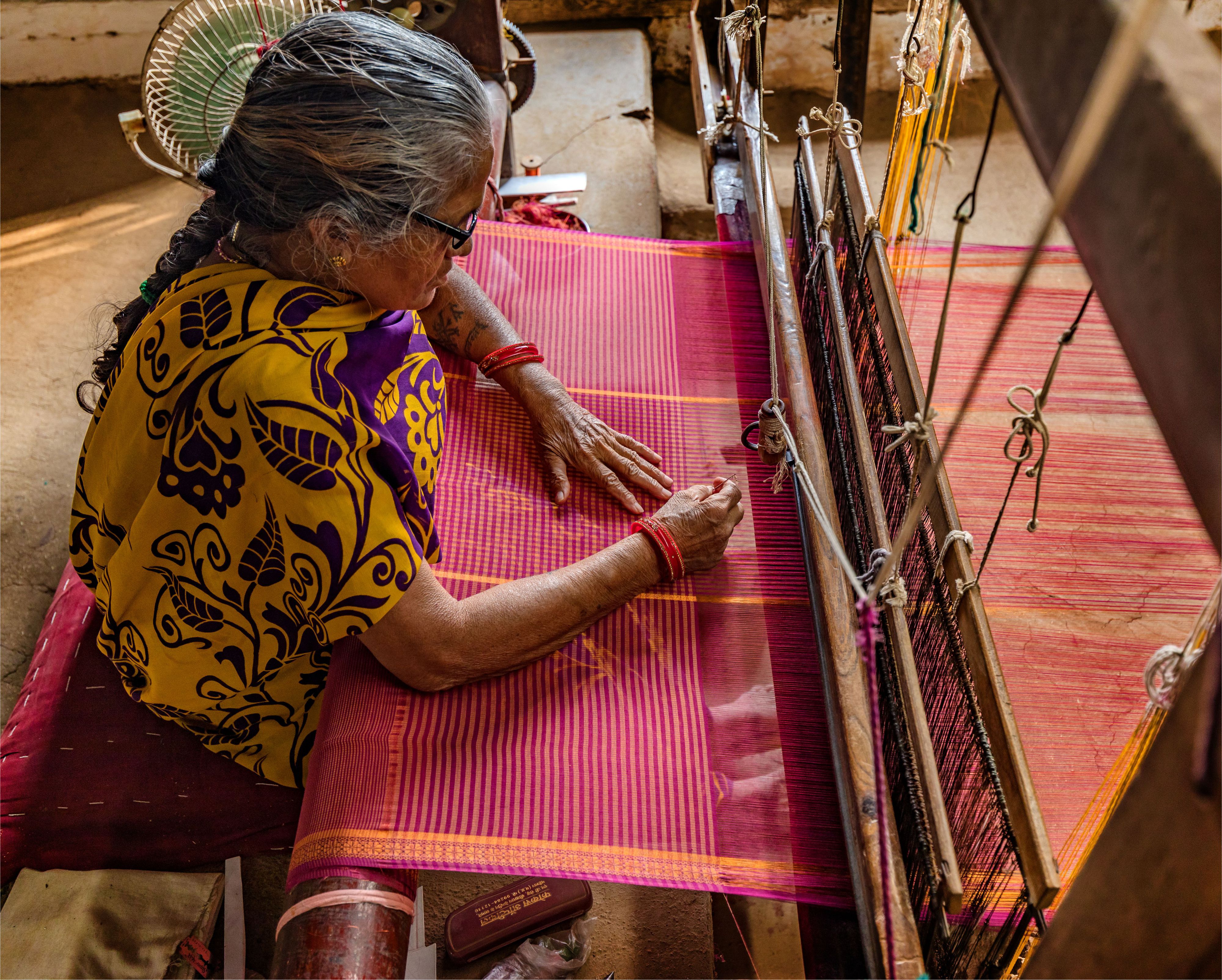
Maheshwari Saree Weaving
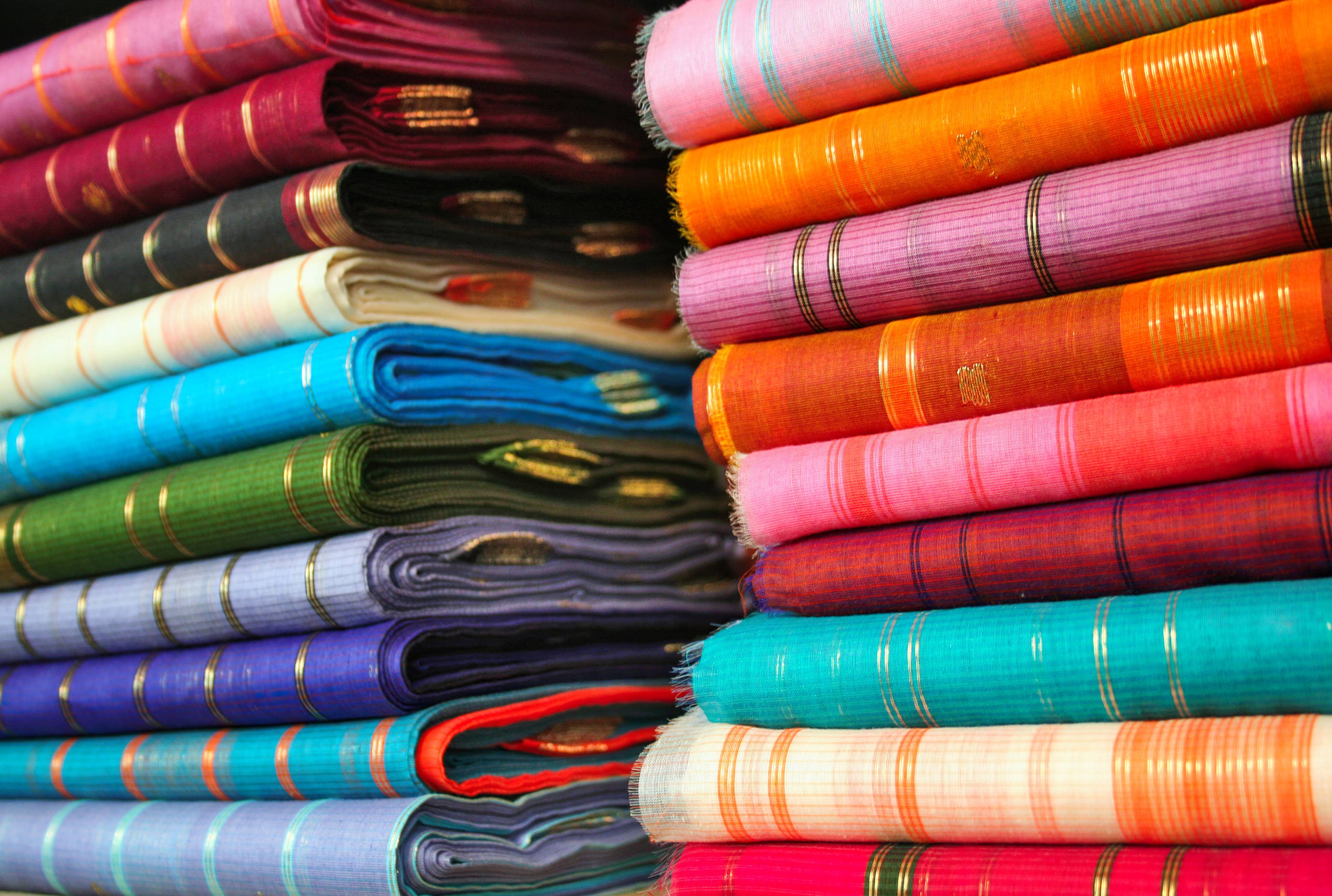
Maheshwari Sarees
Light, Luminous, and Breathable—Discover the Summer Elegance of Chanderi and Maheshwari Silks.
BHOPAL, MADHYA PRADESH, INDIA, March 26, 2026 /EINPresswire.com/ -- As summer intensifies across the Indian subcontinent, the handloom traditions of Madhya Pradesh offer a timeless, climate-responsive answer in the form of Chanderi and Maheshwari sarees. Celebrated for their feather-light texture, refined craftsmanship, and enduring cultural legacy, these textiles embody centuries of artisanal wisdom passed down through generations of weavers.Emerging from the historic town of Chanderi and the riverside settlement of Maheshwar along the sacred Narmada River, these weaves seamlessly blend comfort with heritage, making them as relevant today as they were centuries ago.
Chanderi: The Poetry of “Woven Air”
For centuries, Chanderi has stood as a celebrated center of handloom weaving. Its textiles, often described as “woven air,” are prized for their sheer translucence, gossamer lightness, and subtle luminosity. Crafted traditionally from silk, cotton, or silk-cotton blends, Chanderi sarees are uniquely suited to India’s warm climate.
Their aesthetic charm lies in delicate motifs—ashrafis (coins), peacocks, florals, and geometric patterns—often accentuated with fine zari borders. These designs echo the architectural language of Chanderi’s forts, temples, and palaces, creating a seamless dialogue between textile and terrain.
Significantly, Chanderi is part of the “Iconic Saree Weaving Clusters of India” on UNESCO’s Tentative List, underscoring its global cultural value. Even today, the town’s narrow lanes echo with the rhythmic beats of handlooms, sustaining generations of artisan families.
Maheshwari: A Royal Weave by the Narmada
In contrast, the origins of Maheshwari textiles are closely tied to the visionary patronage of Ahilyabai Holkar in the 18th century. Around 1760, she invited skilled weavers to Maheshwar, laying the foundation for a weaving tradition that would come to symbolize understated luxury.
Maheshwari sarees are distinguished by their lightweight silk-cotton fabric, reversible borders, and structured geometric patterns. Inspired by the temples, ghats, and fort walls of Maheshwar, their designs feature elegant stripes, checks, and finely detailed borders known as kinari.
Rendered in rich hues—crimson, emerald, peacock blue, and gold—these sarees balance visual richness with exceptional comfort, making them ideal for summer wear.
A Living Legacy of Craft and Sustainability
Beyond their visual appeal, the weaving traditions of Chanderi and Maheshwar represent living cultural ecosystems. From the careful preparation of yarn to the intricate operation of handlooms, every stage reflects precision, patience, and inherited skill.
Equally significant is their alignment with sustainable and slow fashion practices. Rooted in natural fibers and low-impact, hand-operated processes, these textiles embody an environmentally conscious approach long before it became a global movement.
Today, both Chanderi and Maheshwar continue to draw travelers and connoisseurs eager to witness this heritage. Within artisan homes and modest workshops, looms continue to operate much as they have for centuries—quietly preserving a legacy of craftsmanship.
In an age increasingly attuned to mindful consumption and climate-sensitive design, the elegance, and cultural depth of Chanderi and Maheshwari sarees reaffirm their enduring relevance—offering not just garments, but stories woven in time.
ZM
Madhya Pradesh Tourism Board
email us here
Threads of Tradition: Celebrating Madhya Pradesh Handlooms this Handloom Day
Legal Disclaimer:
EIN Presswire provides this news content "as is" without warranty of any kind. We do not accept any responsibility or liability for the accuracy, content, images, videos, licenses, completeness, legality, or reliability of the information contained in this article. If you have any complaints or copyright issues related to this article, kindly contact the author above.
