

Why Embossing Remains a Relevant Method in Modern Manufacturing
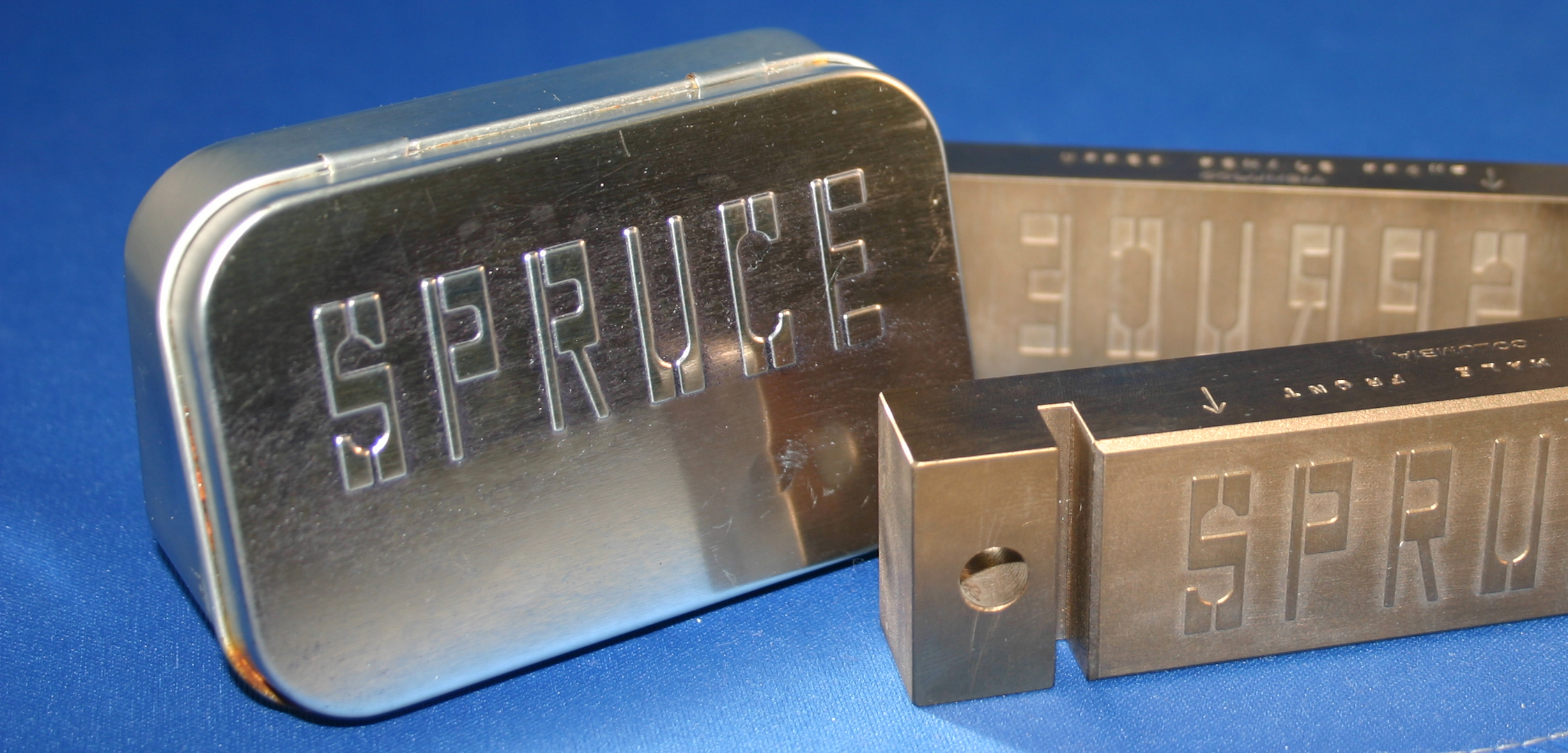
Embossing dies and product to show end result.
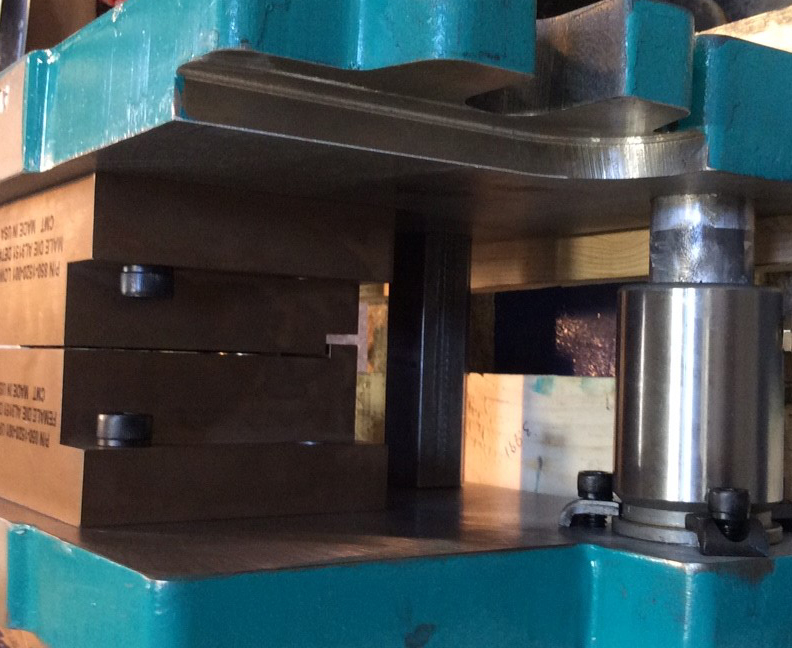
Embossing machine
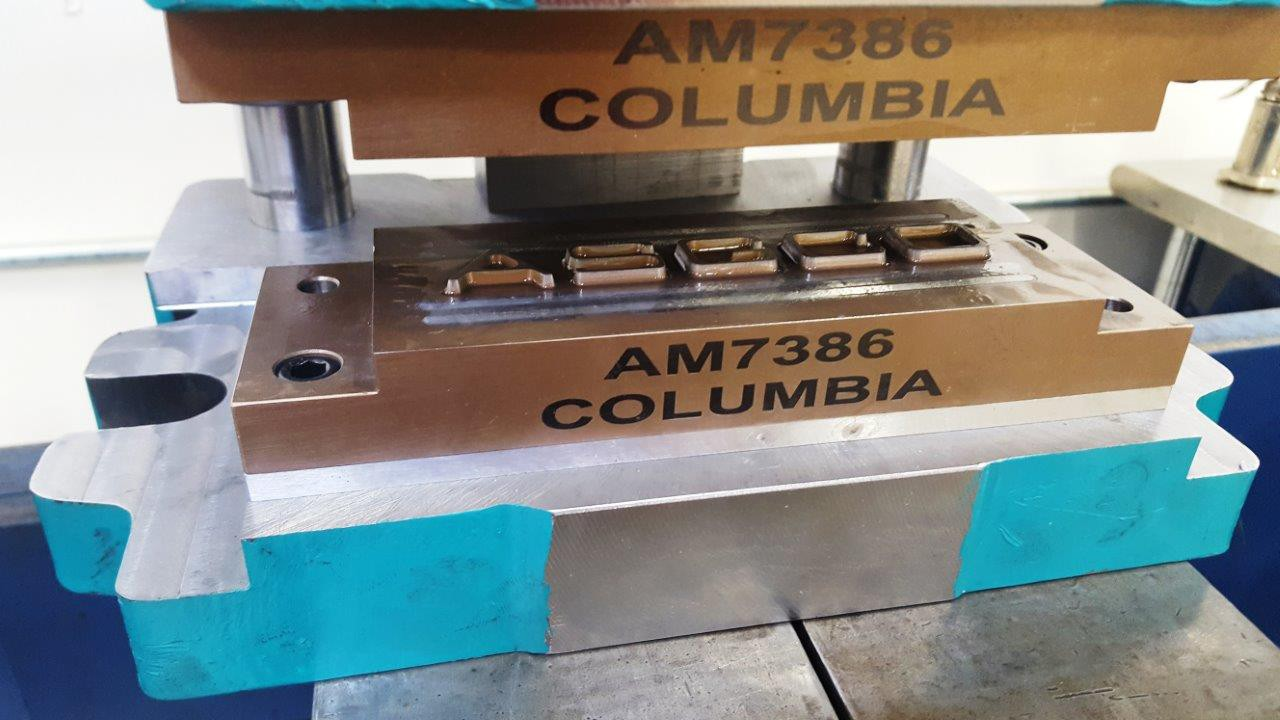
Embossing Plates Installed
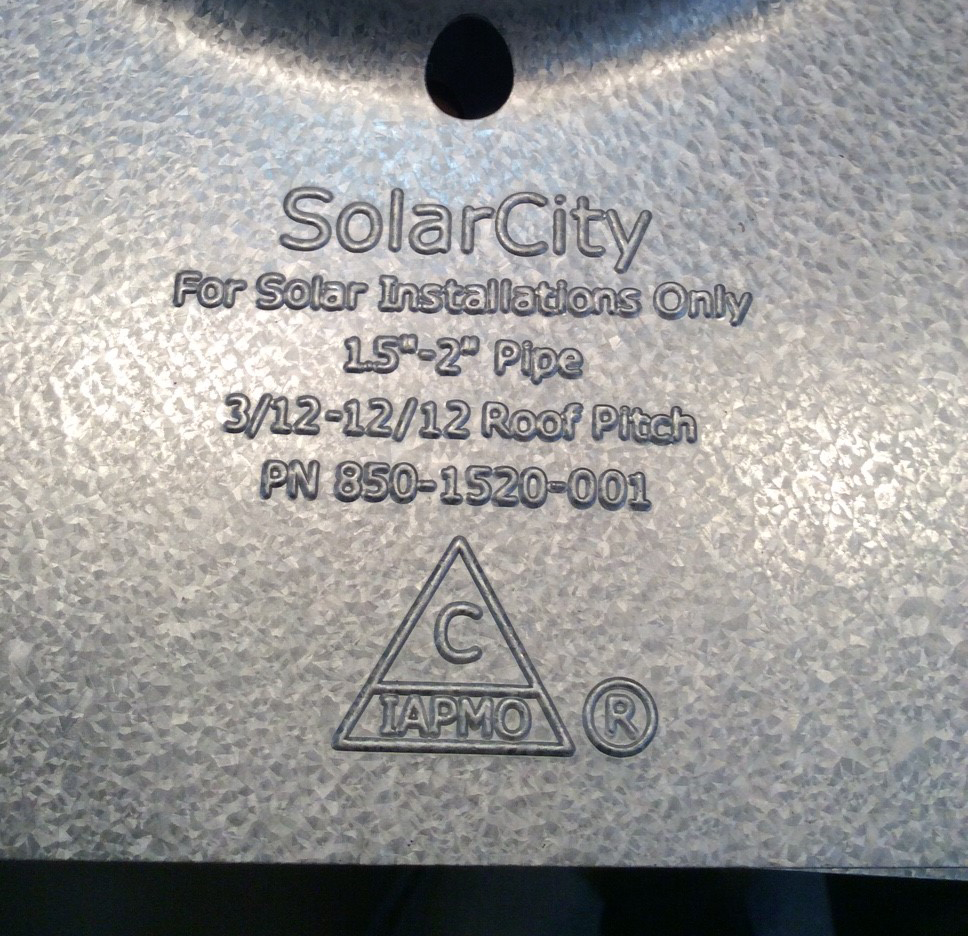
Embossed Metal
CMT helping you make your mark!
How Columbia Marking Tools helps manufacturers create permanent, high-impact identification that can be seen, felt, and remembered.
Embossing differs fundamentally from surface-based marking methods because it does not apply information onto a material—it reshapes the material itself. Through the use of matched dies, pressure is applied to form raised or recessed features directly into metals, plastics, and other formable substrates. Once created, these marks become part of the component’s structure rather than a separate layer on top of it.
This structural difference is one of the reasons embossing is still used in environments where long-term durability is essential. In industrial settings where parts are exposed to abrasion, oils, heat, weather, or repeated handling, printed labels and surface coatings can degrade over time. Embossed markings, by contrast, remain intact because they are formed into the base material. As a result, they are commonly used for serial numbers, part identification, safety information, and regulatory markings that must remain legible throughout the life of a product.
The process itself is mechanically straightforward but dependent on precision. A male die and a female die are brought together under controlled force with the material positioned between them. The pressure transfers the design into the surface of the material, creating a permanent impression. While the concept is simple, maintaining consistent quality in production requires careful attention to alignment, material properties, and tooling design.
Tooling plays a central role in the quality of the final mark. Even small variations in die alignment or geometry can affect character definition, depth consistency, and overall readability. To address this, embossing systems typically incorporate precision-machined components and locating features that ensure repeatable alignment over repeated production cycles. In high-volume manufacturing environments, this consistency is essential to maintaining part traceability and visual clarity.
Despite the growth of alternative marking technologies such as laser etching and ink-based printing systems, embossing remains a practical choice in applications where permanence and mechanical durability are priorities. It is also commonly used in applications where consumable-based marking methods introduce additional maintenance or variability concerns. In addition, embossing is frequently selected for applications where a tactile or raised visual effect is desirable, such as branding on metal nameplates or consumer product components.
From a manufacturing standpoint, embossing integrates well into stamping and forming operations, allowing it to be incorporated into existing production workflows without significant process changes. This adaptability has helped maintain its relevance even as newer marking technologies have emerged.
Companies such as Columbia Marking Tools manufacture custom embossing dies and tooling systems used in industrial marking applications. These tooling systems are designed to meet specific production requirements, including material type, production volume, and required mark characteristics, ensuring that the embossing process can be adapted to a wide range of industrial uses.
While manufacturing technologies continue to evolve, embossing remains a dependable option for permanent part identification. Its continued use across industries reflects not only its durability but also its ability to meet specific engineering and production requirements where other marking methods may be less effective.
Michelle Krembel
Columbia Marking Tools
+1 586-634-2920
email us here
Visit us on social media:
LinkedIn
Bluesky
Instagram
Facebook
YouTube
X
Other
Embossing Dies for Metal
Legal Disclaimer:
EIN Presswire provides this news content "as is" without warranty of any kind. We do not accept any responsibility or liability for the accuracy, content, images, videos, licenses, completeness, legality, or reliability of the information contained in this article. If you have any complaints or copyright issues related to this article, kindly contact the author above.
